


Finishing Services

Media Blasting

At a glance

Applicable Materials

Colors

n/a

Applications

Cosmetic parts (the surface of your Macbook Pro has been bead blasted)

Texture

Matte

About the Process

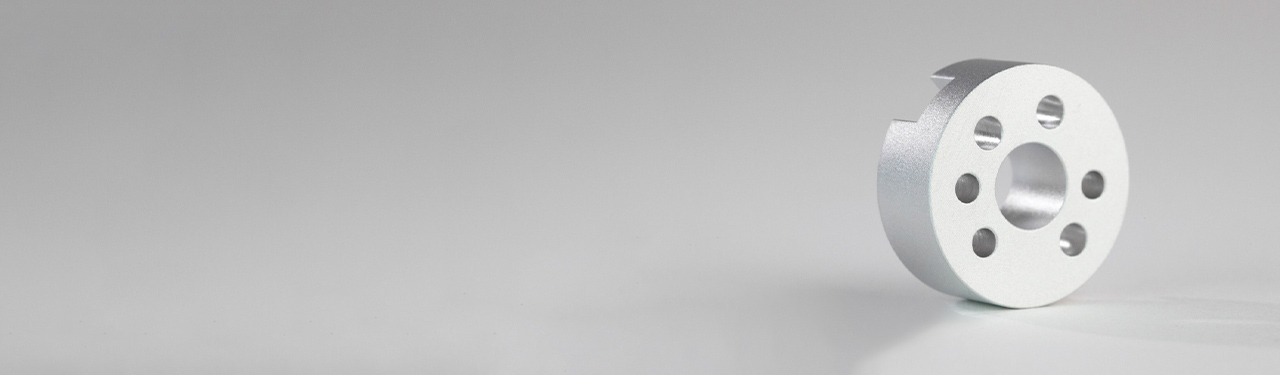
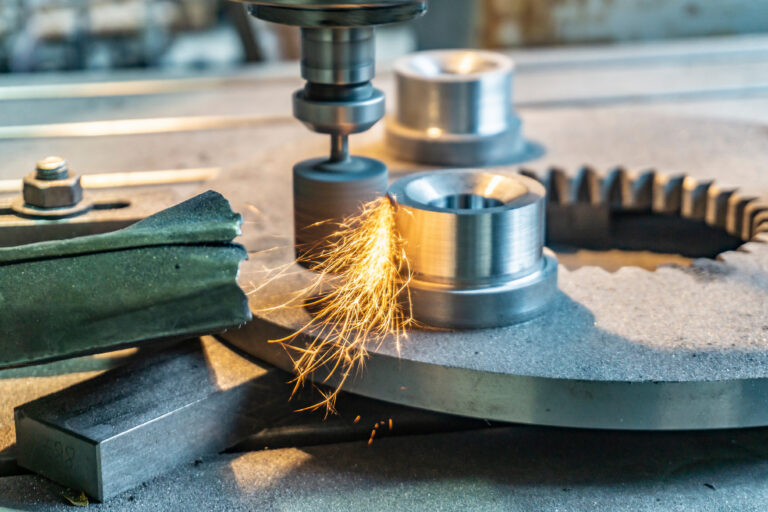
Media blasting uses a pressurized jet of abrasive media to apply a matte, uniform finish to the surface of parts. The most common media used are varying sizes of glass beads or sand, though for other levels of abrasion, things like plastic beads have also been used.

This process is used to create a uniform, matte finish on parts, but can also be used to hide machine marks or remove small flaws in parts prior to anodizing or other plating processes.

Design considerations

  • Plugging threaded/reamed holes not required unless tolerances are very tight, as thickness change is minimal.
  • Avoid blasting thin walls, as they are prone to deformation.
  • Parts with intricate geometries may be difficult or impossible to uniformly finish.

YOU MIGHT ALSO BE INTERESTED IN

High-Strength CNC Machining Materials: Selection, Trade-offs, and Design Considerations

Material strength is a primary design factor directly linked to product performance. High-strength materials allow for smaller parts, thinner walls, higher load-bearing capacity, and greater resistance to deformation. More strongly bonded materials also withstand extreme operating conditions better without deformation or failure.   Material selection for CNC machining, though, is rarely as simple as selecting the […]

Learn More

Design for Excellence (DFX) in Product Development: How DFM, DFA, and More Improve Manufacturing Efficiency

When designing a product, consider all factors that will contribute to its success throughout the development process. For most companies, this involves making the best quality product at the lowest possible cost. Design for Excellence (DFX) is a modern product development approach and an umbrella term encompassing several design strategies focused on optimizing design and […]

Learn More