

3D Printing Services

Fused Deposition Modeling (FDM)

At a glance

Lifecycle

Early stage prototyping

Lead Time

As fast as 1 day

FDM Print Size

FDM bed size to
914mm x 610mm x 914mm

3D Printing Materials

ABS

ABS – M30i

ABS ESD

ASA

Nylon 12

Nylon 6 CF

PC-ISO

PC+ABS

PETG

Polycarbonate (PC)

Ultem 1010

Ultem 9085

ABS

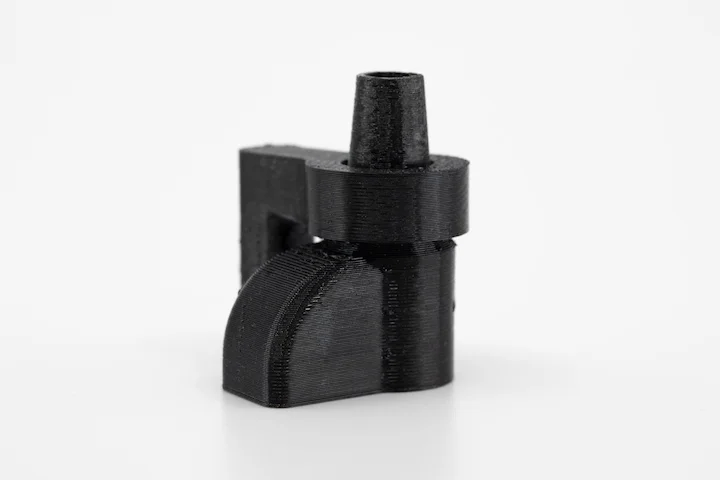
ABS is a plastic material that's great for mechanical strength and early stage rough prototypes. ABS is a cost-effective material for initial prototyping applications, and with post-processing options it can offer better surface finish than PLA.
Process:
FDM 3D printing
Colors:
Black, Blue, Neutral, Red, White
Resolution:
0.25 mm
Max Print Size:
914 x 609 x 914 mm

Design Recommendations

Max Part Size

ABS / ABS ESD / Polycarbonate (PC) / PC+ABS:
500 x 500 x 500 mm
PLA / PET-G / ASA:
300 x 300 x 400 mm

Min Feature Size

1 mm
1 mm

Tolerance

+/- 0.5 mm or +/- 1% per inch

Min Wall Thickness

1 mm
1 mm

Min Hole Diameter

1 mm
1 mm

Min Gaps for Mating Parts

0.1 mm minimum; 0.2 mm to ensure fit

Additional Design for Manufacturing Tips

  • No internal cavities
  • Limit curved surfaces, especially for PLA and PET-G as they require a flat surface to result in a successful print
  • Orientation on small holes is very important (xy plane is much more cylindrical)
  • Bridging: distances of up to 10 mm do not necessarily need support material, as long as the area being printed has support on both sides of the material being laid down.

Cost Saving Tips

  • Cut large models into multiple smaller parts, to fit on a smaller, less expensive machines.
  • Reduce the amount of support material required by overhangs and special orientations.
  • Choose PLA for simple geometry parts and where tolerance is less important.

About the Process

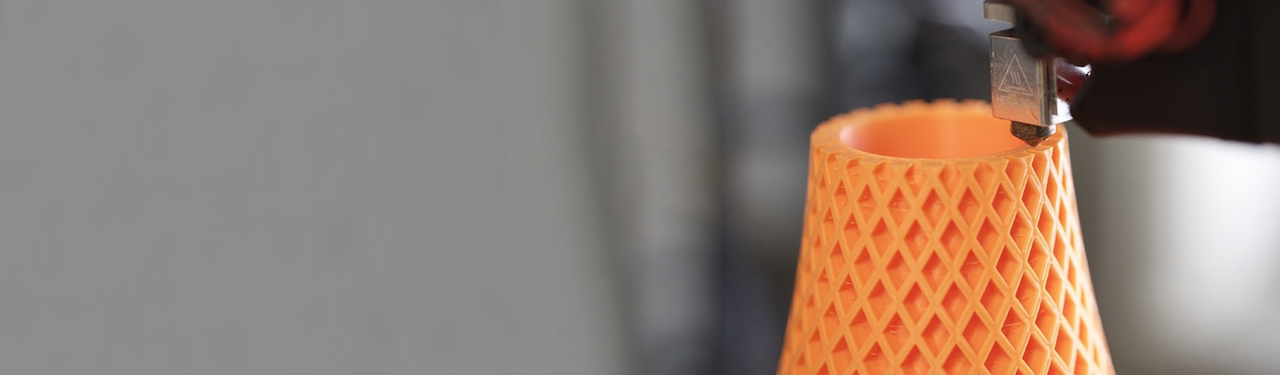
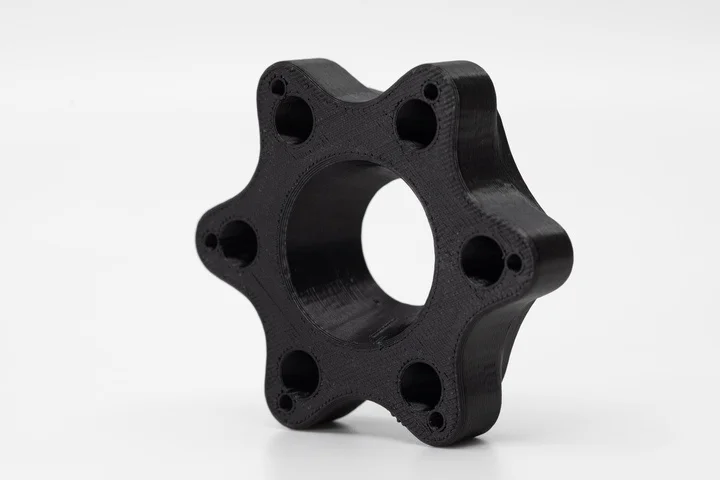
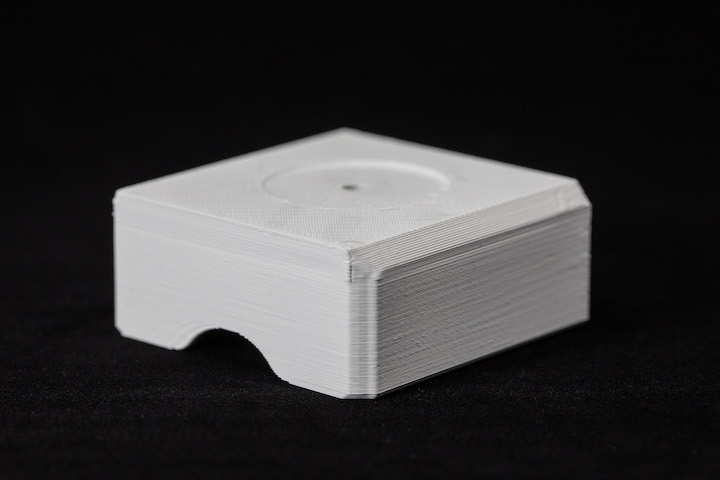
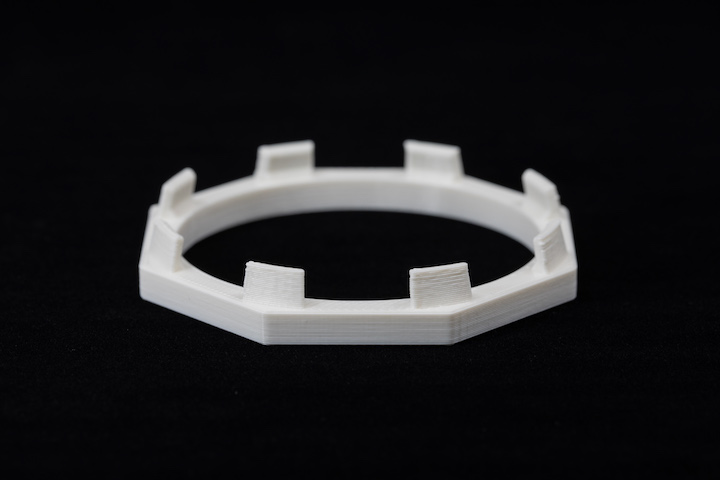
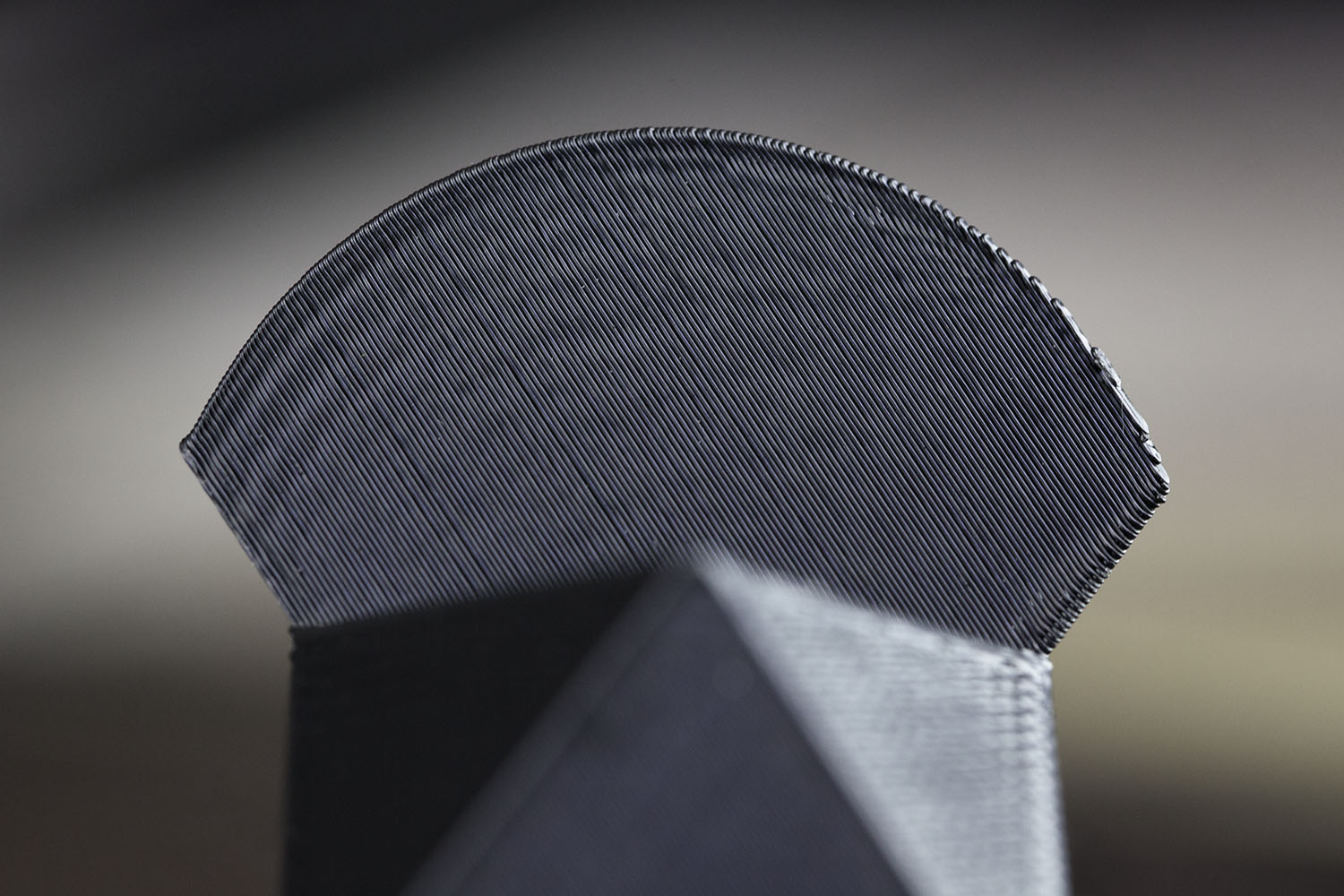
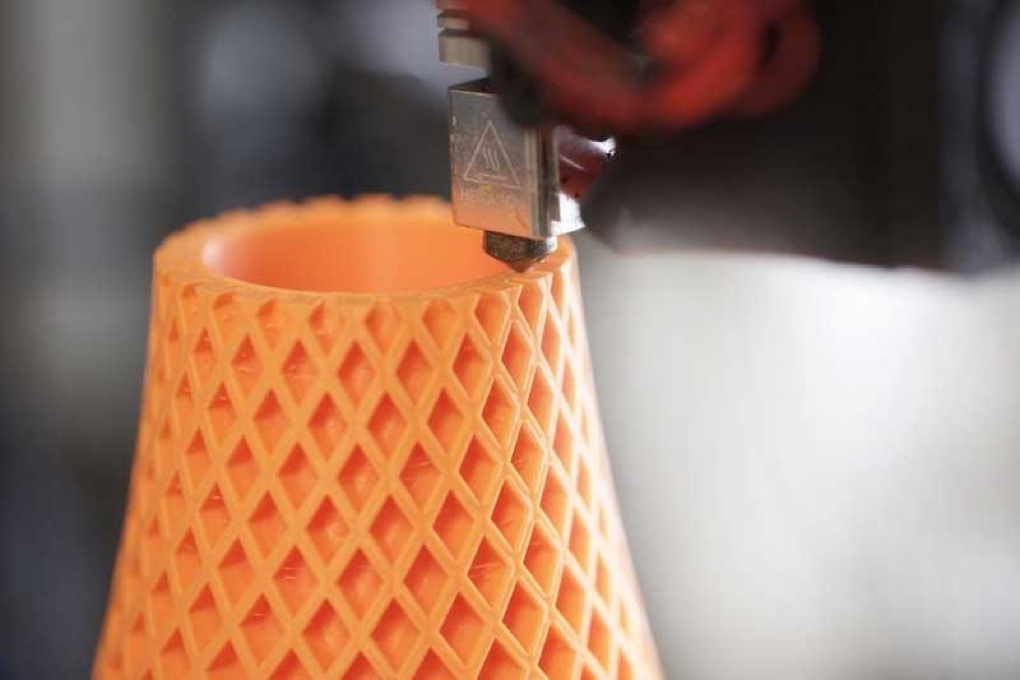
Fused deposition modeling (FDM) is a 3D printing technology (also known as additive manufacturing) commonly used for modeling, prototyping, and production applications. Each layer is created by extruding material from a nozzle to produce 3D objects.

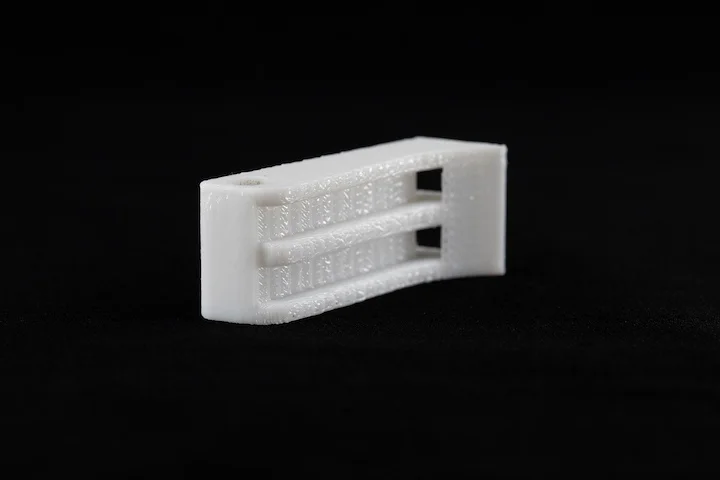
FDM processes require support material, either breakaway or soluble, so it’s important to keep this in mind when choosing this process as it can affect the final part.

YOU MIGHT ALSO BE INTERESTED IN

Manufacturing Process Selection: A Guide to Choosing the Right Production Methods

The manufacturing process you select impacts part cost, lead time, achievable tolerances, material options, and how easily you can iterate your design. The wrong choice doesn’t just affect the prototype; it can also lock in cost and quality constraints that compound through the entire product development life cycle. Making this decision requires balancing competing technical […]

Learn More

The Impact of AI in Mechanical Engineering

Artificial Intelligence is no longer on the horizon for mechanical engineers—it’s already on our desktops, inside our CAD tools, and embedded in robotics on the factory floor. When I started working as a mechanical engineer 15 years ago, I didn’t think much about AI someday reshaping my job. Now the question has shifted from will […]

Learn More