




Engineering Thermoplastic

UHMW

CNC UHMW Components — Ultra Tough, Abrasion-Resistant Plastic Parts
UHMW

At a glance

Processes

CNC Mill
CNC Lathe

Lead Time

As fast as 3 days

Colors

White, black

Tolerance

With drawing: as low as +/- 0.005 mm
No drawing: ISO 2768 medium

Price

$

Applications

Machine guards, liners in chutes and hoppers

About the Material

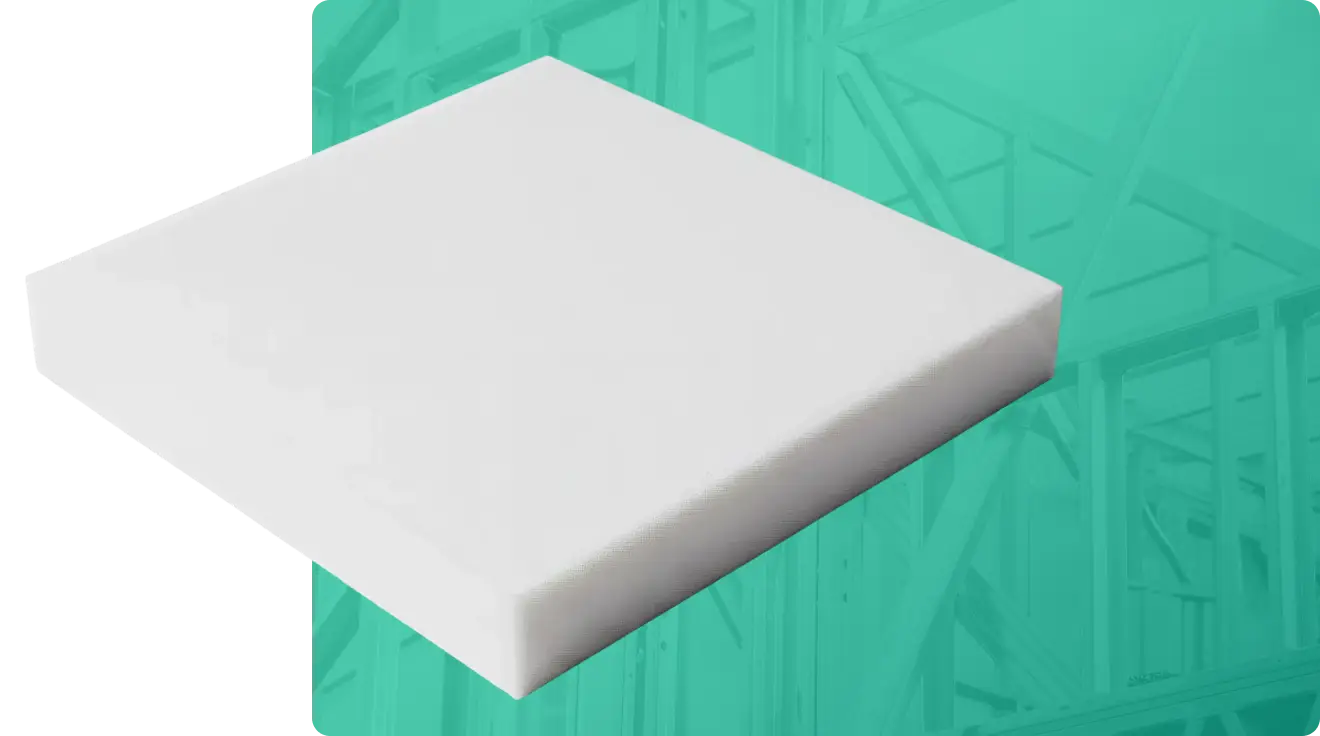
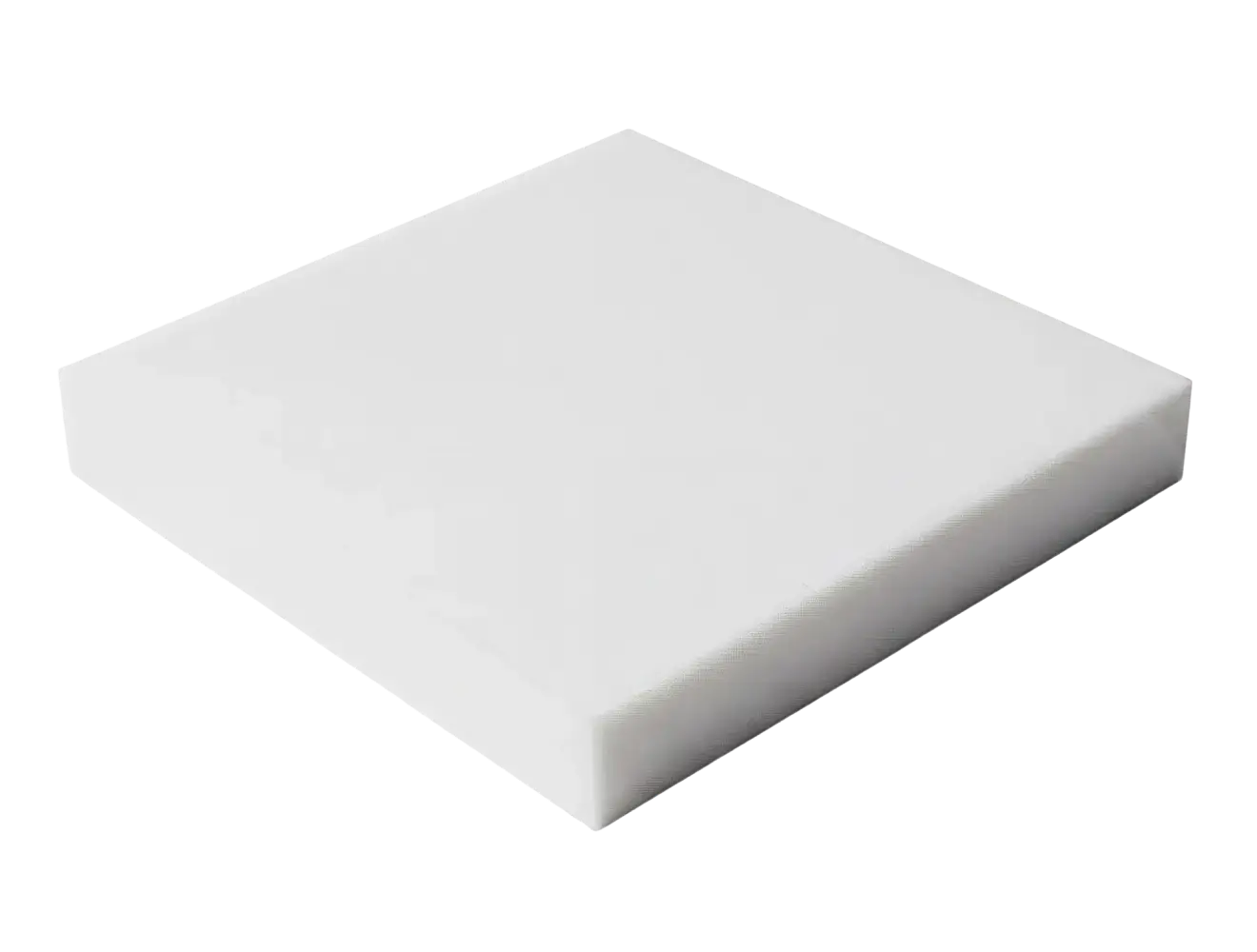
Ultra-High-Molecular-Weight Polyethylene (or UHMW) is a hard plastic with a slippery surface, which resists abrasion and wear. Additionally, it offers high impact strength and is the optimal material for chute/hopper liners and machine guards.

Lubricity

Extreme Toughness Icon

Endurance

Extreme Toughness Icon

Material Properties

UHMW

Yield Strength (tensile)

5,000 psi

Elongation at Break

200%

Hardness

Durometer 70D

Density

0.034 lbs / cu. in.

Maximum Temp

180° F

McMaster Part Number

8752K831

Material Finish

UHMW comes in an opaque black or white color and can be machined to a range of surface finishes. It also has a slippery texture, which is ideal for machine guards and liners.

Design Recommendations

Min Wall Thickness

0.5 mm

Min End Mill Size

0.8 mm (0.03 in)

Min Drill Size

0.5 mm (0.02 in)

Max Part Size

1200 x 500 x 152 mm [x,y,z] (mill)
152 x 394 mm [d,h] (lathe)

Undercuts

Square profile, full radius, dovetail profiles

Radii : Depth

Depth must not exceed 12x drill bit diameter.
For end mills, depth must not exceed 10x tool diameter.
Cost Saving Tip

Cost Saving Tip

To reduce costs, limit the number of part setups, the number of inspection dimensions or tight tolerances, and deep pockets with small radii.

You Might also be Interested in

DFS product lifecycle

Design for Sustainability (DFS): A Guide for Engineering More Eco-Friendly Products

We want the products we design to last—to perform reliably, win market adoption, and deliver long-term value. But it’s not…

Learn more >
Close-up of a CNC milling machine with multiple cutting tools and a metal workpiece surrounded by metal shavings.

6+ Axis CNC Machining: Capabilities, Design Rules, and When It’s Worth the Investment

For engineers designing complex machined parts, the advantages of moving from 3-axis to 5-axis machining are well understood. The most…

Learn more >