FINISHING SERVICES

Powder Coating

ISO 9001:2015 Certified

Real-Time Traceability

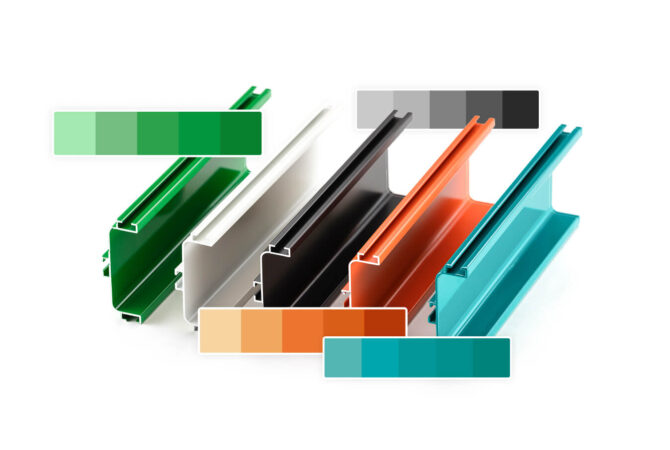
Full RAL color catalog

Simplified Sourcing

Powder Coating for Prototype and Production

At A glance

Applicable Materials

Colors

Pantone or RAL color matching

Finishes

See below for options

Can be applied with

Media blasting, tumbling (neither is needed)

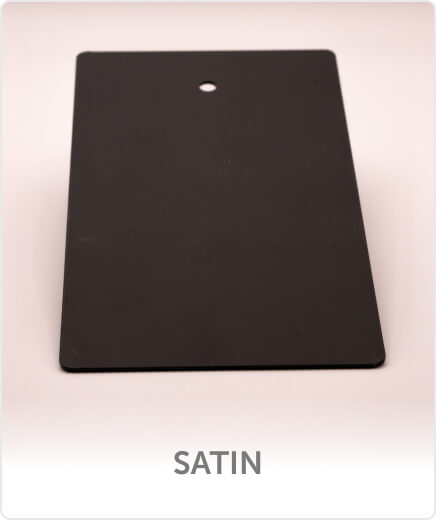
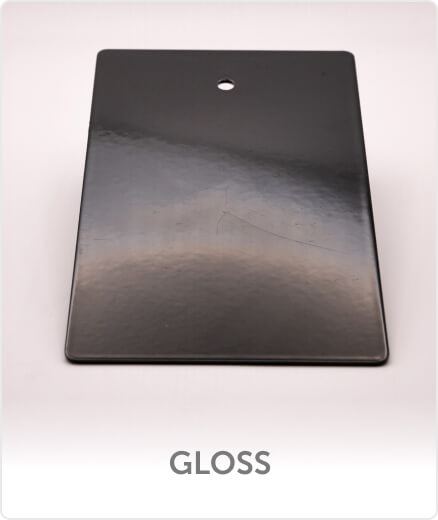
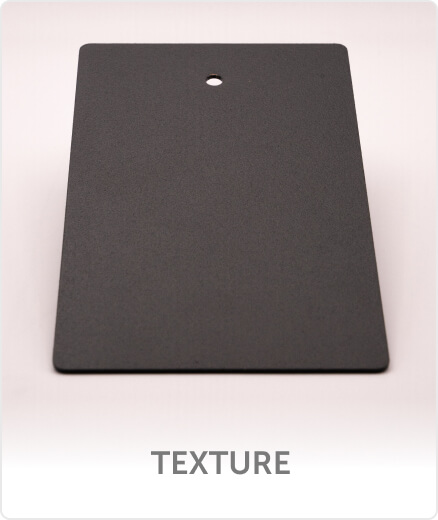
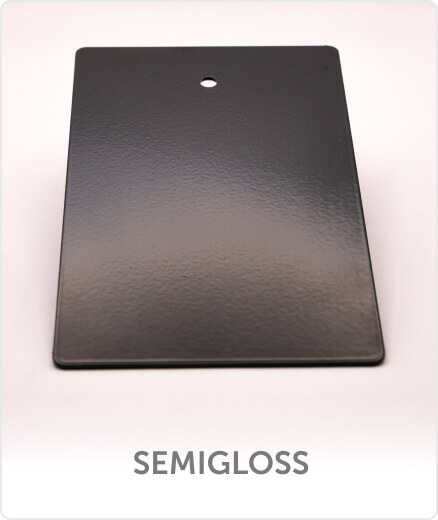
Finish Options

Not all colors are available in the finishes shown above. Please contact us for availability

What is Powder Coating?

Powder coating is a process in which a dry powder paint (either a thermoplastic or thermoset polymer) is applied to a metal surface using electrostatic application. Unlike traditional liquid paint, powder coating does not need a solvent to keep the binder and filler of the paint in liquid suspension. This allows for application of thicker coatings without running or sagging, and the coatings are also tougher as a result.

About the Process

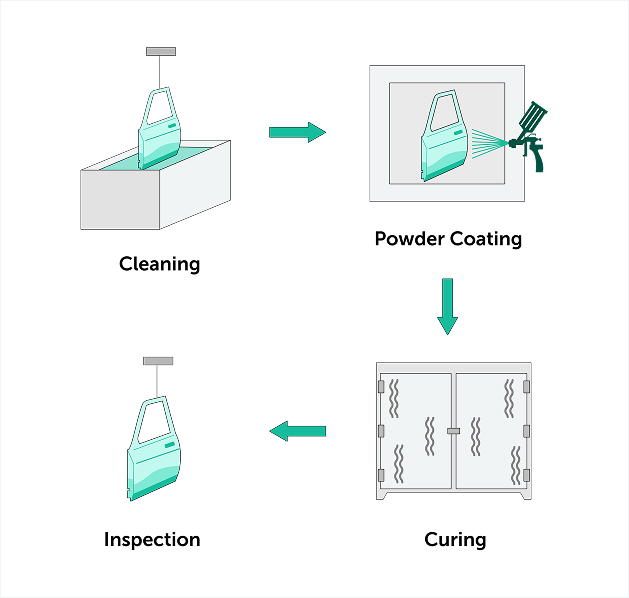
The powder coating process starts off by electrically grounding the part to be painted, which gives it a net negative charge. After grounding, the paint is sprayed at the part using a corona gun, which applies a positive charge to the powder. The polarization of the two components causes the powder to stick to the metal, where it will remain so long as it is undisturbed.

After the powder has reached a specified thickness on the part, it is cured into a polymeric film using elevated temperatures (*200″C), such as with a convection oven. Thermosetting, polymers will crosslink during the curing process to improve performance, but thermoplastic varieties simply flow while heated to form the final coating.
Precision Powder Coating for Unmatched Performance

  • Production-Grade Quality Inspection of finished surface
  • On-Demand Inspection Report

95.4%

Perfect Order Success rate
(On-time, in full delivery)

Get Instant Quote

YOU MIGHT ALSO BE INTERESTED IN

The Impact of AI in Mechanical Engineering

Artificial Intelligence is no longer on the horizon for mechanical engineers—it’s already on our desktops, inside our CAD tools, and embedded in robotics on the factory floor. When I started working as a mechanical engineer 15 years ago, I didn’t think much about AI someday reshaping my job. Now the question has shifted from will […]

Learn More

4-Axis CNC Machining: Capabilities, Applications, and Design Guidelines

4-axis CNC machining is a subtractive manufacturing process that moves a cutting tool and workpiece along four axes of motion—the standard X, Y, and Z linear axes, plus a fourth rotational axis (the A-axis) that rotates the workpiece around the X-axis. That additional degree of freedom is what separates 4-axis from conventional 3-axis machining. The […]

Learn More